
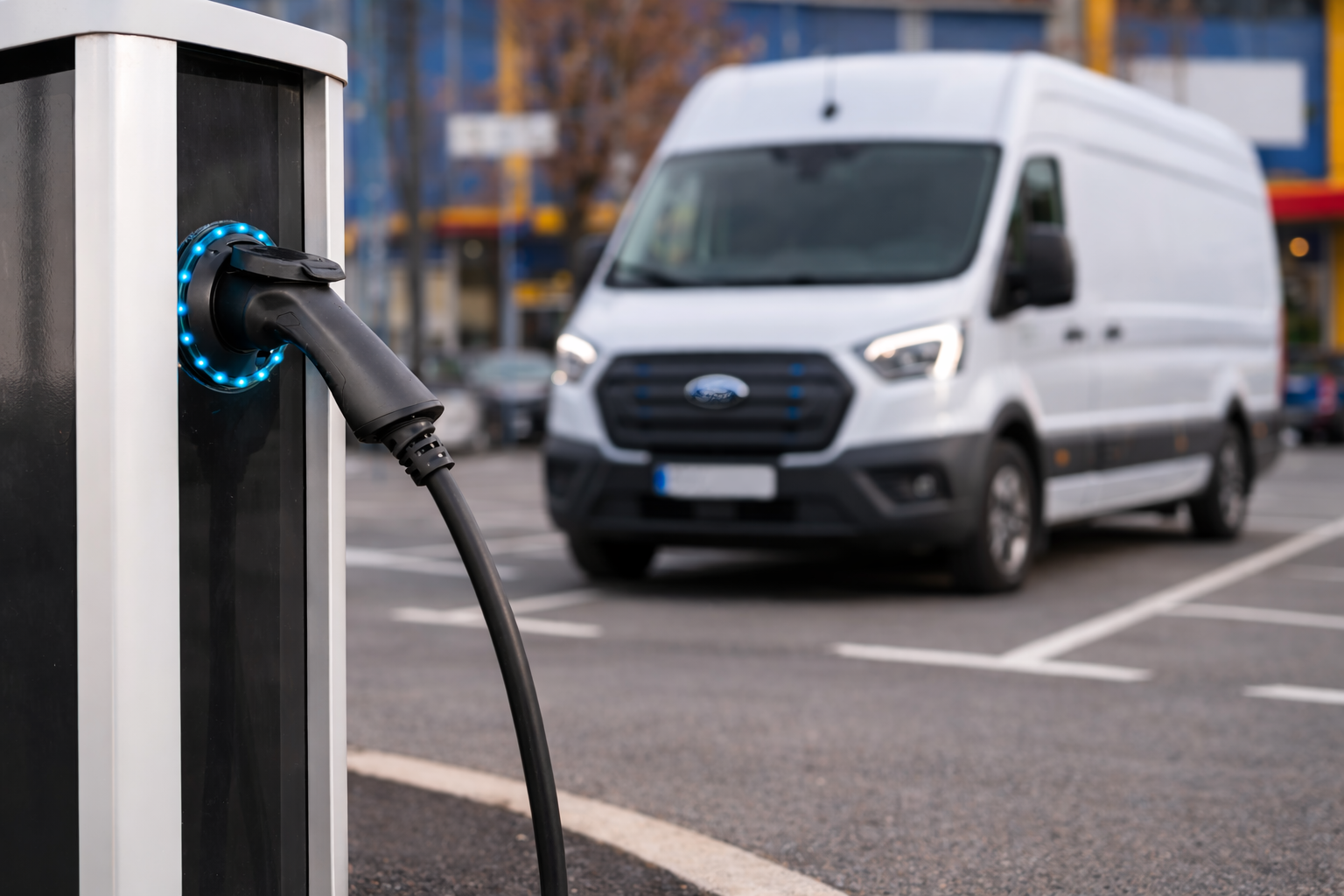
Luke Myer MP today (10 March 2026) served on a committee in Parliament which voted through new rules designed to support the rollout of zero-emission delivery vans across the UK.
The Goods Vehicles (Testing, Drivers’ Hours and Tachographs etc.) (Amendment) Regulations 2026 change the regulatory framework for zero-emission vans. At present, many of these vehicles are classified as heavy goods vehicles because of the weight of EV batteries, meaning they are subject to the extra tests and regulations for vehicles weighing between 3.5 and 4.25 tonnes – even though they are used for the same purposes as ordinary delivery vans. The new rules scrap this unnecessary bureaucracy.
Instead, zero-emission vans will be moved into the Class 7 MOT testing system used by similar diesel vans, the first roadworthiness test will be delayed until three years after registration, and the requirements for tachographs and stricter EU-derived drivers’ hours rules will be scrapped. The changes will reduce administrative costs for businesses and simplify compliance for fleet operators.
Luke has consistently supported the transition to cleaner transport, particularly given the importance of the automotive sector to the region’s economy. Sunderland’s Nissan plant – one of the largest car factories in Europe – is now producing the next generation of the electric Nissan LEAF, backed by £450 million of investment and supporting thousands of jobs across the regional supply chain. Alongside battery-electric vehicles, Teesside is also emerging as a centre for hydrogen transport innovation. Government funding of more than £15 million has supported a series of hydrogen transport demonstrations across the region, including projects testing hydrogen-fuelled trucks, buses and commercial vehicles, as well as the development of publicly accessible hydrogen refuelling infrastructure serving heavy goods vehicles and commercial fleets.
Luke Myer MP said:
“The North East has been at the forefront of Britain’s automotive industry for generations, and today we are helping lead the shift to cleaner transport as well. From electric vehicles being built in Sunderland to hydrogen transport projects here on Teesside, our region is playing a major role in shaping the future of the industry. If we want businesses to make that transition, the rules need to make sense. These changes recognise that electric vans are often heavier simply because of their batteries, not because they are doing a different job. Aligning the regulations cuts unnecessary bureaucracy.”