
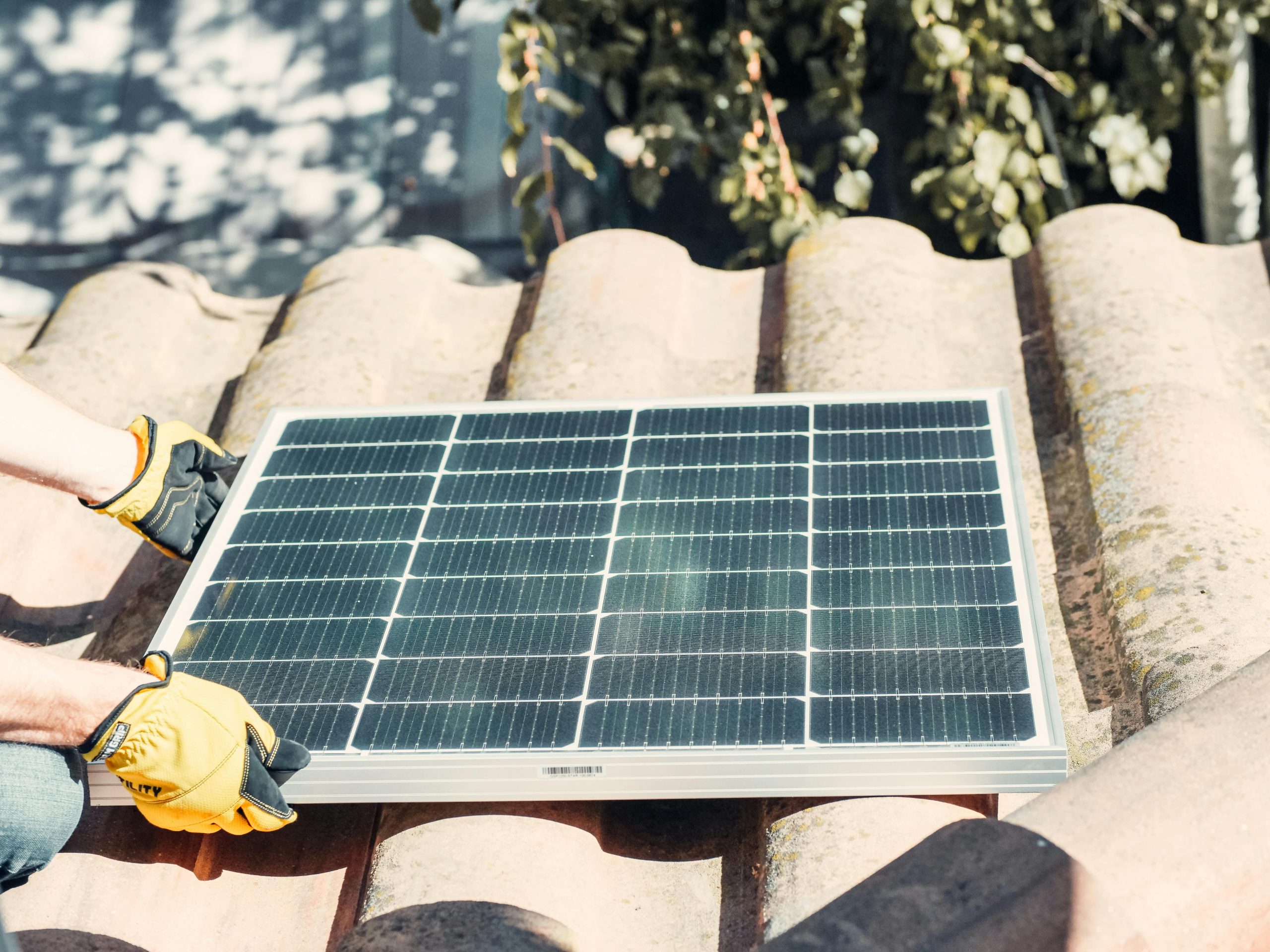
Today (21 January 2026), the Labour Government has launched a £15 billion Warm Homes Plan to upgrade up to five million properties with better insulation, solar panels, home batteries and heat pumps in a bid to permanently cut energy bills and tackle fuel poverty.
The announcement follows action in last year’s Budget that took an average of £150 off household energy bills from April and expanded the Warm Home Discount.
In Middlesbrough South & East Cleveland, just 11% of homes built before 1929 achieve an EPC rating of C or above — far below modern energy-efficiency standards — indicating that much of the oldest housing stock is likely cold, draughty and poorly insulated compared to elsewhere in the country.
The plan combines targeted support for low-income families with a universal offer for all homeowners to upgrade their homes if and when they choose. Low-income households will be eligible for fully-funded installations such as rooftop solar, batteries and insulation, while a new government-backed loan scheme will offer low or zero-interest finance for households that want to invest in clean home energy. Ministers say this approach could lift up to one million families out of fuel poverty by 2030.
The initiative is expected to create more than 180,000 skilled jobs by 2030, unlock £38 billion of total investment and strengthen the UK’s energy security by reducing exposure to volatile fossil fuel markets. For areas like Teesside, with major strengths in manufacturing and engineering, the Warm Homes Plan represents a pathway to lower bills, new supply chains and high-quality jobs.
Luke Myer MP said:
“Families on Teesside have been hammered by high bills for years, and too many homes lose heat faster than people can afford to pay for it.
“This plan is a serious step towards bringing bills down for good, with targeted help for low-income households, fairer standards for renters and a practical offer for everyone else too.
“It means warmer homes, lower costs and real jobs in the industries of the future – something communities like ours stand ready to deliver.”
Greg Jackson, Founder of Octopus Energy, who grew up in East Cleveland, said:
“The ‘Warm Homes Plan’ is a really important step forward. Electrifying homes is the best way to cut bills for good and escape the yoyo of fossil fuel costs.
“Solar panels can slash energy costs – and paired with a battery we get the electricity when we need it. Heat pumps can be cheaper to run, and with solar they’re often dramatically cheaper. With the right finance, simpler rules and a big push from manufacturers, heat pumps will increasingly be the best solution for many homes – as they are in other countries like Sweden, Norway and Finland.
“We still need to focus on getting electricity costs lower for everyone, building on the changes in the budget, but this plan sends a clear signal that the future of home heating is electric.”
Luke also welcomed measures in the plan to ensure better accountability for sub-standard work, following his campaigning on the failures of the previous government’s ECO4 scheme. The Warm Homes Plan creates tougher accountability by replacing ECO4’s fragmented oversight with a Government-led Warm Homes Agency, simplifying certification to stop installer ‘forum shopping’, introducing clear installer liability and free redress for bad work, centralising complaints and guarantees, and using audits and suspensions to enforce quality.