
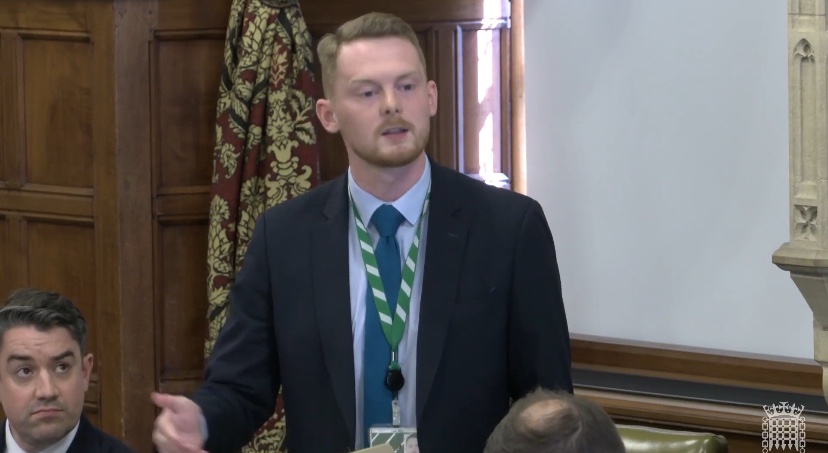
Data from the Department for Work & Pensions has revealed that 9,893 people in Middlebrough South & East Cleveland in receipt of Universal Credit will be better off following local MP Luke Myer’s rebellion on the government’s welfare legislation.
Middlesbrough South & East Cleveland MP Luke Myer was among 126 Labour MPs who signed the rebel amendment last week which secured major concessions to the Bill.
The concessions include:
- Personal Independence Payment (PIP) Cuts Shelved
- The core proposal to restrict PIP eligibility has been scrapped entirely. No changes will apply to existing claimants. Any future PIP reforms must now follow the findings of a dedicated review led by Disability Minister Stephen Timms
- PIP Review “Co‑Produced” with Disabled People
- The review process will be conducted in collaboration with disabled individuals and advocacy groups. Outcomes must reach consensus before informing future reforms
- Existing Universal Credit (UC) Health-Related Element Protected
- Any changes to the health top-up of Universal Credit are postponed until April 2026, and current recipients, plus those with “severe conditions” are shielded and will see uprating in line with inflation
- UC Standard Allowance Increased Above Inflation
- The baseline Universal Credit rate will be uprated by approximately £7/week from April 2026 (e.g., from £91 -£98/week), benefitting around 6.7 million households
- Expanded Employment Support Funding Accelerated
- The government will front-load a £1 billion employment‑support package immediately, with additional multi‑billion funding later across the parliament, intended to offset benefit cuts
- Safeguards for Disability Support Enshrined
- An amendment by MP Marie Tidball introduced legal protections: future PIP changes must be co‑produced, preceded by a formal summer consultation, and include measurable targets to close the disability employment gap
These concessions reflect a significant shift thanks to the rebellion by 126 Labour MPs, including Luke Myer that changed the legislation away towards protecting claimants, boosting support, and embedding co-production with those most affected.
The impact assessment by the Department for Work & Pensions has found the change will lift 50,000 people out of poverty across the country.
References: