
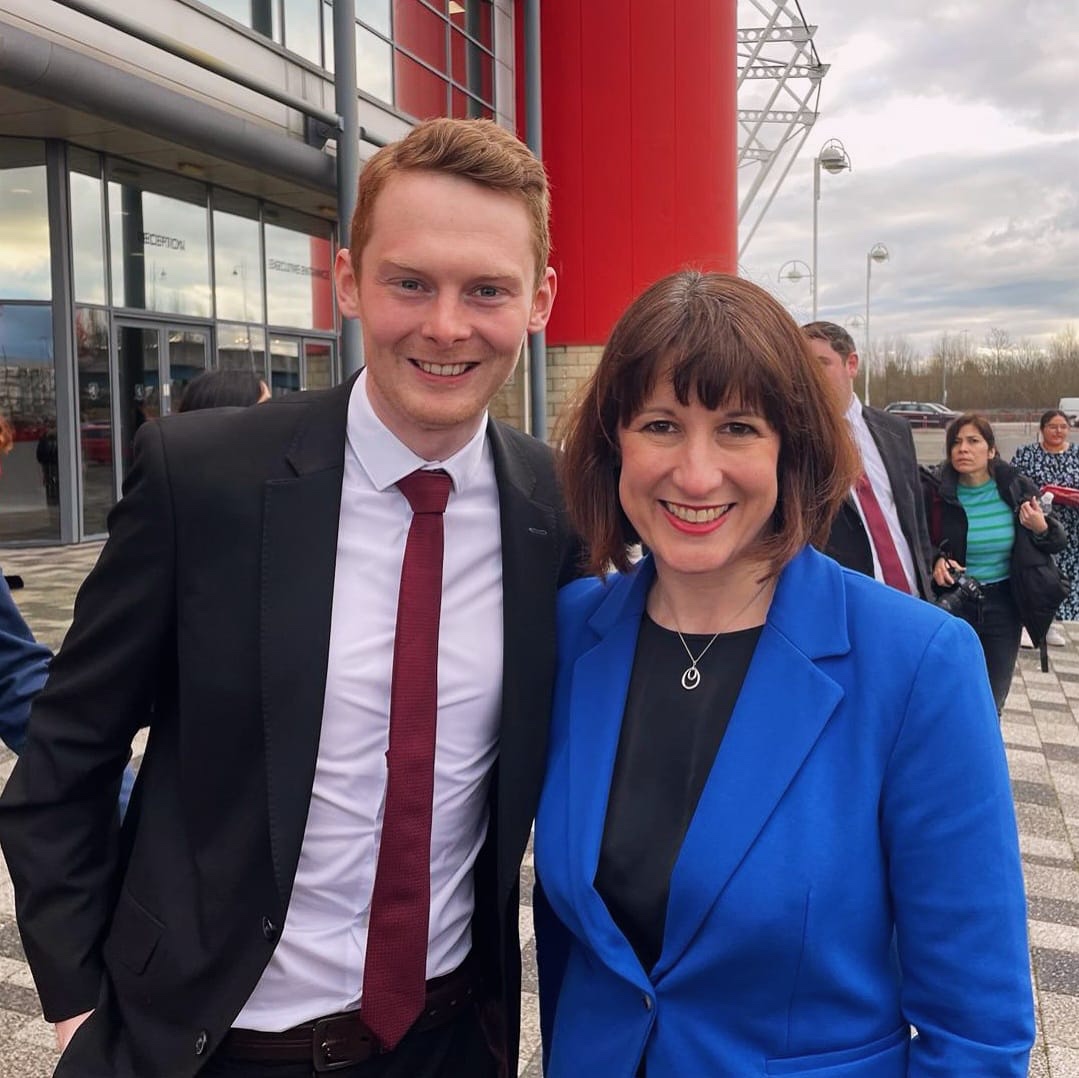
The first Labour Budget in over a decade is about delivering change that sticks, laying down the foundations today for a stronger economy tomorrow, and putting more money in your pockets. After fourteen years of Conservative neglect, The new Labour Government is rebuilding an economy and a country that works for working people.
Middlesbrough South and East Cleveland, and Teesside, has seen the toll of years of cuts in our schools, the NHS, and public services stretched to breaking point. Small fixes will not cut it anymore; our communities need a full rebuild, and Labour’s Budget delivers on that promise.
Teesside’s commitment to twenty billion pounds in new industrial investment will breathe life back into local industries, creating jobs and long-term growth. This is not about quick wins, it’s about setting Teesside up for success for years to come.
The NHS is front and centre, with investment in more doctors and nurses and shorter waiting times to make healthcare accessible when people need it most. Labour’s plan is putting the ‘care’ back into healthcare, creating an NHS that works for everyone.
The Government is also making big moves to support families, including three hundred new nurseries across the country. Every child deserves the best start, and parents deserve the support to thrive. Labour is ensuring that communities, no matter where they are, have the resources to help families succeed.
In a long-overdue move, Labour’s Kinship Carers Allowance will finally recognise the dedication of kinship carers who step up to keep families together, giving them the support they deserve.
And the Government is ensuring hard work pays off. With a historic rise in the minimum wage for young people and a significant increase for all workers, Labour is putting more money in the pockets of millions. This Budget prioritises fairness and gives everyone a fighting chance.
Luke Myer MP said, “This budget is about real change, laying the foundation for an economy that works for everyone across our communities. After years of cuts and broken promises, we’re finally investing in Teesside’s future. With billions of pounds in industrial investment and a plan to make our NHS stronger and more accessible, this is about delivering long term prosperity, good jobs, and quality public services that people can rely on.”
He added, “Families, young people, and workers across our area deserve a fair shot and that’s exactly what this Budget is about. It’s about putting more money in people’s pockets, making sure every family has access to education and healthcare, and building a stronger Teesside.
“Labour’s Budget is about more than just today; it is about investing in our schools, roads, and hospitals and building a foundation for a fairer society and a stronger economy. This is just the beginning. We are creating the foundations to a future where everyone has the opportunity to thrive.”
Here are some of the stand out points:
Economic Stability and Fiscal Rules
- Labour commits to balancing the government’s day-to-day budget by the end of their term, reducing national debt as a percentage of GDP.
- Increased spending will be financed through closing tax loopholes (e.g., abolishing the non-dom tax status), applying VAT and business rates to private schools, and a temporary windfall tax on oil and gas profits.
Public Services Funding Breakdown
- NHS and Social Care:
- £1 billion annually to boost NHS capacity for scans, surgeries, and GP appointments.
- £410 million yearly for mental health services, recruiting 8,500 specialists.
- £125 million annually to improve dental care, providing 700,000 extra appointments.
- Education and Youth Services:
- £315 million for free breakfast clubs in all primary schools.
- £450 million for recruiting 6,500 new teachers.
- Significant investment in childcare and mental health hubs for young people.
- Policing and Justice:
- £400 million to recruit 13,000 community officers and advisers to tackle domestic abuse.
- £155 million for immigration caseworkers to address asylum backlogs.
Support for Small Businesses
- Business Rates Reform:
- Immediate relief for the retail, hospitality, and leisure sectors, reducing relief to 40% (capped at £110,000 per business) and extended until 2026.
- Long-term reform will permanently introduce lower rates for small businesses in these sectors starting in 2026–2027.
- Labour has pledged to abolish the current business rates system entirely, shifting the tax burden from high street businesses to large online companies.
- Vacant Property Auctions:
- Local councils will be empowered to auction long-term vacant high street properties, allowing community organizations and small businesses to repurpose them and reduce high street vacancies.
- Small Business Initiatives:
- A “British Jobs Bonus” to encourage small businesses to hire new workers, supported by £300 million annually.
- Simplified regulations and planning rules to ease business operations.
Green Energy and Infrastructure
- Warm Homes Plan:
- £1.1 billion annually to retrofit homes for energy efficiency, reducing household energy bills.
- Great British Energy:
- A public energy company to lead the transition to zero-carbon electricity by 2030, funded by the windfall tax on oil and gas companies.
- Infrastructure and Housing:
- A 10-year investment plan to build 1.5 million homes, upgrade transport systems, and improve energy infrastructure.
Industry:
£3.9 billion allocated for the development of Carbon Capture, Utilisation, and Storage (CCUS) technologies in 2025-2026, aiming to reduce emissions and support green tech growth.
Regional Growth and Devolution
- Local Empowerment:
- Enhanced powers for local mayors to control transport, housing, and employment initiatives.
- Town growth plans supported by £500 million to regenerate high streets and create opportunities in underfunded areas.
- Barnett Formula Commitments:
- £650 million in Barnett consequentials to provide equitable funding for Scotland, Wales, and Northern Ireland.
Addressing Fairness in Taxation
- Closing tax loopholes, including measures targeting private equity fund managers and carried interest loopholes, is expected to raise £440 million.
- VAT and business rates will be extended to private schools, ending their charitable status.
The new Labour Government’s budget seeks to address systemic economic challenges by reforming business taxation, supporting small enterprises, and investing in future industries while prioritizing health, education, and community welfare. These measures aim to create a fairer, greener economy that supports both immediate recovery and long-term growth.